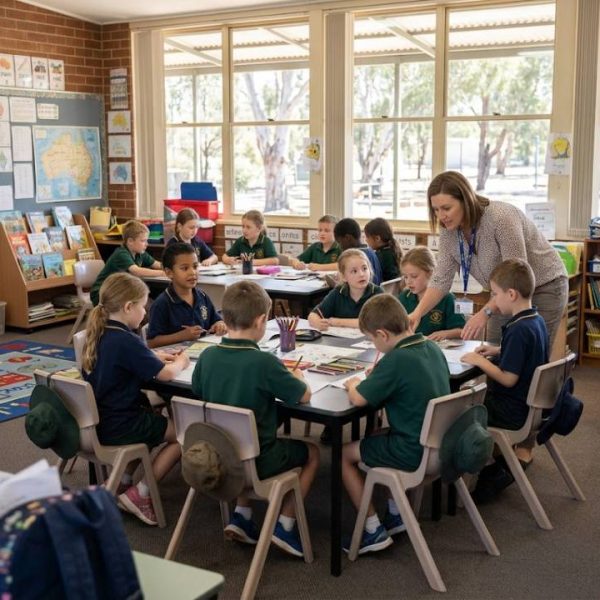
Choosing a school is one of the biggest decisions a family makes, and it becomes more complex when you are new to a country. Australia has a well-organized education system, but terms like public, independent, selective and Catholic school can be confusing. This guide explains the main stages, how to compare schools and what documents families usually need.
How the system is organized
Education in Australia is run mainly by states and territories, which means rules and school years differ slightly across the country. In general, children start with a preparatory or kindergarten year, continue through primary school and then attend secondary school until about the age of seventeen or eighteen.
After that, students can move to vocational training, a university degree or work.
The right school is the one that fits your child's needs, location and learning style, not the one with the biggest reputation.
Types of schools
Public schools are funded by the government and usually serve a local area. Catholic and other systemic schools are run by religious or community organizations at lower fees than many independent schools. Independent schools set their own programs and charge higher fees.
Some states also have selective schools that admit students by test or audition, and specialist schools for sport, music or languages.
Comparing schools
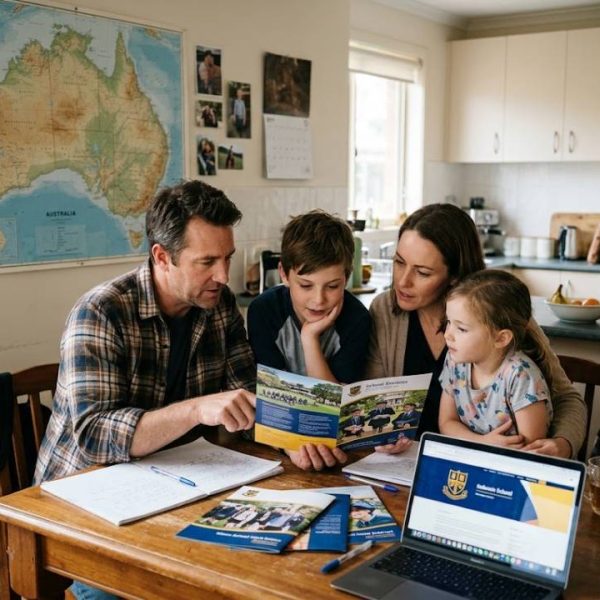
Visit in person if you can. Ask about class sizes, teacher support, language help for new students, extracurricular programs and the way the school communicates with parents.
Public information on school profiles, results and funding is available on national education websites, and the Study Australia portal explains study options and living costs for international families.
Enrollment steps
Start early. Many schools ask for an application a year ahead, and popular ones have waiting lists. You will usually need proof of address, identification, immunization records, previous school reports and, for newcomers, visa details.
Public schools generally enroll students based on where you live, while others may require interviews or assessments.
Documents from abroad
Families arriving from another country often have school reports, certificates and health records in another language. Schools and authorities may ask for official certified translations so that the new school can place a child at the correct level.
For older students applying to universities, this guide to diploma and transcript translation explains what to prepare.
Costs to expect
Public schooling is largely free for citizens and permanent residents, although families still pay for uniforms, books, excursions and sometimes voluntary contributions. Independent schools charge tuition, and international students on certain visas pay fees even in public schools.
Ask for a full list of costs, including technology, camps and sports, before you decide.
Supporting a child who is new to English
Many schools offer English as an additional language support. Ask how it works, how long it lasts and how progress is measured. Reading together at home, joining local clubs and encouraging friendships all help children settle faster.
From school to higher education
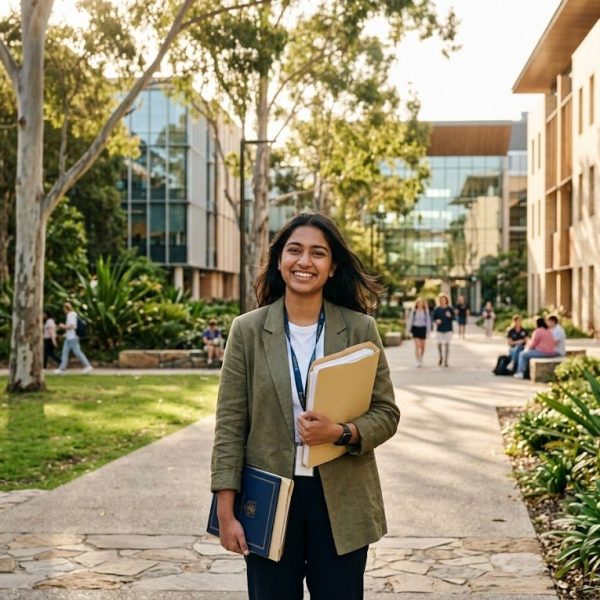
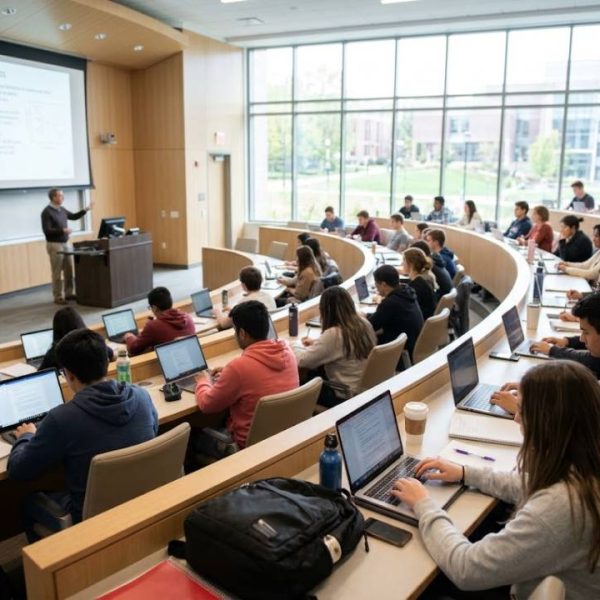
Australia is known for its universities, including medical, engineering and arts programs. Students typically complete senior secondary studies, receive a certificate and an admission rank, and apply through state admission centers.
Professional degrees such as medicine have competitive entry and may include additional tests or interviews. Check requirements early and keep records of grades, since overseas applicants may need to show equivalent results.
Vocational training and pathways
Not every student follows a university route. Vocational education offers practical training in areas such as trades, hospitality, health care and technology, often with paid apprenticeships. These pathways can also lead to a degree later.
Helping your child thrive
Visit the school regularly, attend parent meetings and ask teachers how you can support learning at home. Watch for stress and talk with your child about friendships, workload and feelings about the move.
Wellbeing counselors and student support teams exist for this reason, and using them early prevents bigger problems.
Health, safety and wellbeing at school
Australian schools have policies on child safety, bullying and sun protection. Many require hats outdoors and follow rules on allergies and medication. Ask how the school handles incidents, how it supports students who feel anxious or isolated and how it keeps parents informed. A clear answer is a good sign of a caring environment.
Getting to school and daily routines
Check distances and transport options. Many families rely on school buses, public transport or walking groups, while others drive. Before and after-school care programs help working parents, so ask about hours, costs and activities. A predictable routine helps children feel secure while they adjust.
Learning at home
Homework expectations differ between schools and year levels. Create a quiet space, keep a regular schedule and talk with teachers if workloads feel too heavy or too light. Libraries and community centers often offer free study help and holiday programs.
A short checklist
Decide your priorities, shortlist three or four schools, visit them, ask about costs and language support, collect documents, apply early and keep copies of everything. Being organized reduces stress for the whole family.